
Is Hawke’s Bay Missing Out on New Zealand’s Investor Visa Opportunity?
July 6, 2026 9:56 am | Nic Goodman
Buying, Selling




In this article
New Zealand’s Active Investor Plus visa appears, by many measures, to be working – but the benefit is not reaching every region equally, and Hawke’s Bay is a clear example of why.
Since the settings changed in April 2025, Immigration New Zealand has reported $4.29 billion added to the investment pipeline or already committed to investment in New Zealand. There have been 734 applications, with 294 approved, and the majority of applicants have chosen the Growth category, which requires a minimum investment of $5 million over three years. The Balanced category requires a minimum investment of $10 million over five years*.
Those numbers are significant. They show New Zealand is once again attracting international investor attention, capital and interest from globally mobile individuals and families.
But for regions like Hawke’s Bay, the more important question isn’t whether New Zealand is attracting capital. It’s whether that capital is translating into genuine regional investment, presence and economic participation. At this stage, it’s difficult to see that happening at scale.
What the Active Investor Plus Visa Has Achieved So Far
Eligible Active Investor Plus visa holders can buy or build one home in New Zealand, with the minimum value of that home set at $5 million – a threshold the Government says represents less than 1% of New Zealand homes. On paper, that sounds like a narrow, high-value pathway.
But the $5 million-plus property market in New Zealand is not evenly distributed. In 2026, there have been 112 residential and lifestyle property sales over $5 million across New Zealand. Auckland accounted for 56 of those sales – 50% of the national total. Central Otago accounted for 38 sales, or 33.9%. Together, Auckland and Central Otago represented 83.9% of all $5 million-plus sales nationally**.
By comparison, Hawke’s Bay recorded just two sales over $5 million – only 1.8% of the national total. Christchurch accounted for eight sales (7.1%), Bay of Plenty five (4.5%), Northland two (1.8%), and Waikato one (0.9%).
That’s a telling statistic. If the investor property pathway is built around a $5 million-plus home, the benefit is naturally weighted toward the markets where $5 million-plus residential property is most common: Auckland and Queenstown/Central Otago. Those markets already have scale, international recognition, existing buyer depth and a larger number of conventional high-value residential homes.
Where the $5 Million-Plus Property Market Actually Sits in Hawke's Bay
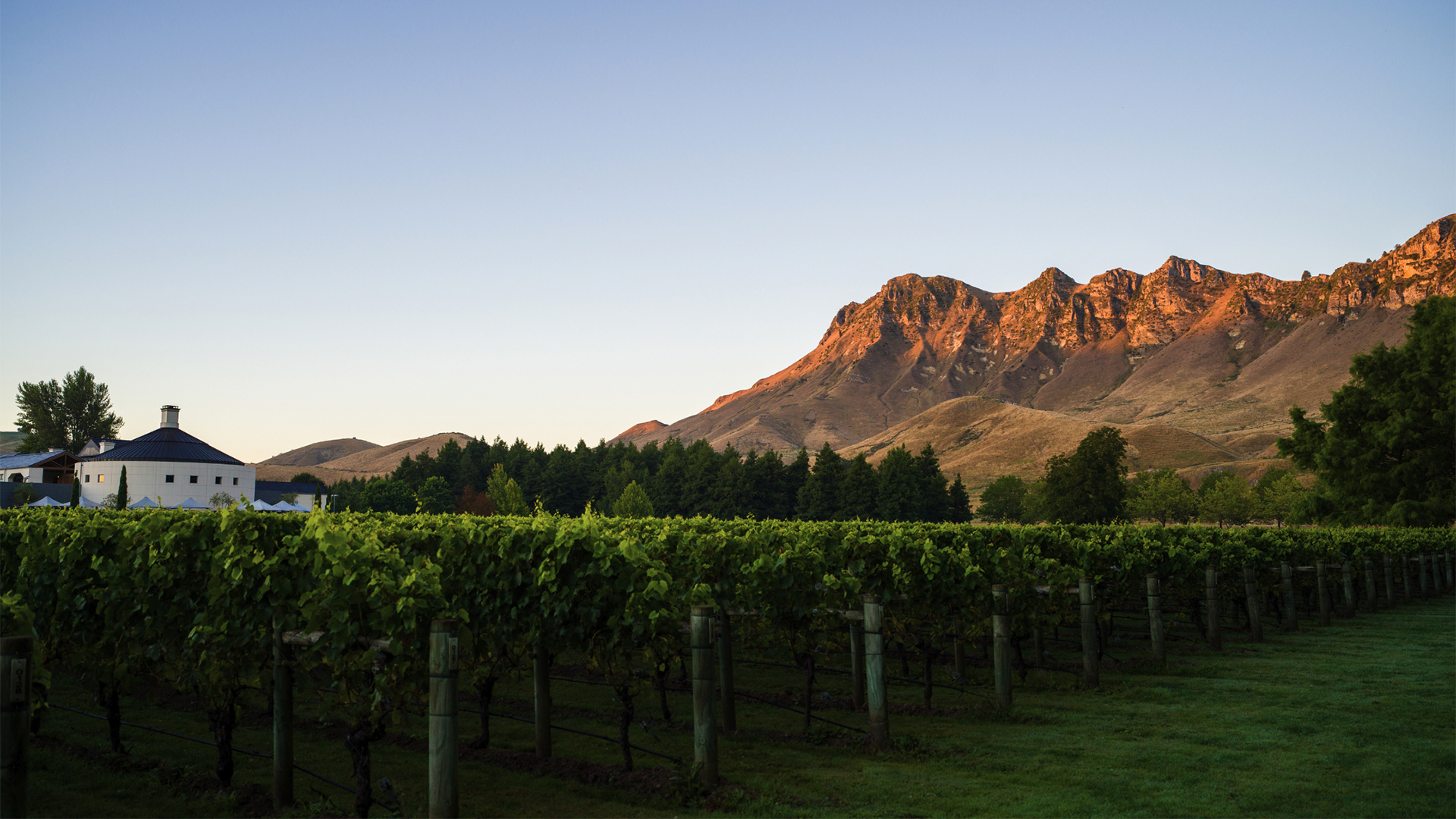
Hawke’s Bay is different. We have exceptional property. We have internationally appealing assets – architecture, vineyards, coastal holdings, heritage estates, lifestyle blocks, food and wine, land, beauty and a quality of life that is genuinely world-class. But our premium property market doesn’t look like Auckland’s or Queenstown’s, and that’s where the current policy settings are failing regional New Zealand.
The issue isn’t only the $5 million price point. The bigger issue is the 5-hectare threshold. In Auckland or Queenstown, a $5 million-plus property is often a conventional luxury home – an ocean or lake view house, an apartment, a lodge-style residence or a substantial home on a residential title.
In Hawke’s Bay, and in many other regions, a property worth more than $5 million is often something else entirely. It’s likely to be a substantial lifestyle estate. It may sit on more than 5 hectares. It may include significant dwellings, gardens, guest accommodation, equestrian facilities, outbuildings or tourism potential. It may be valuable, high-maintenance and regionally significant but not an economic farm, a commercial vineyard or a productive rural business.
That’s the gap. Many of the properties that would most appeal to investor migrants in regional New Zealand sit in the middle: too much land to fit neatly within the residential pathway, not sufficiently economic to qualify as a true productive rural investment. Yet these are often exactly the properties where the right purchaser could make the greatest regional contribution.
A Regional Case Study: Glen Aros
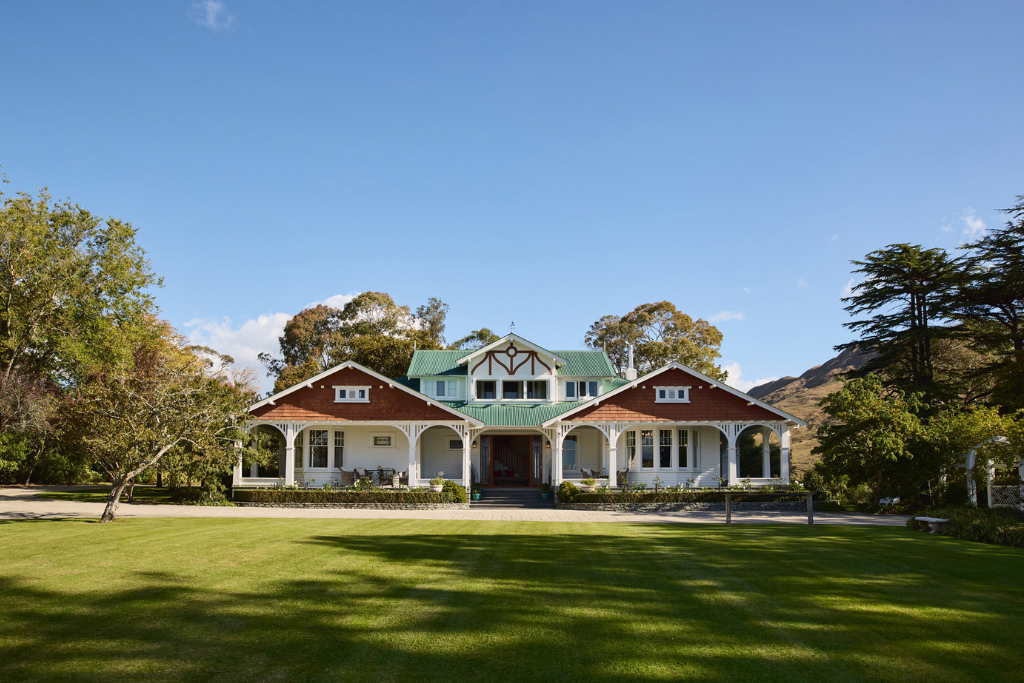
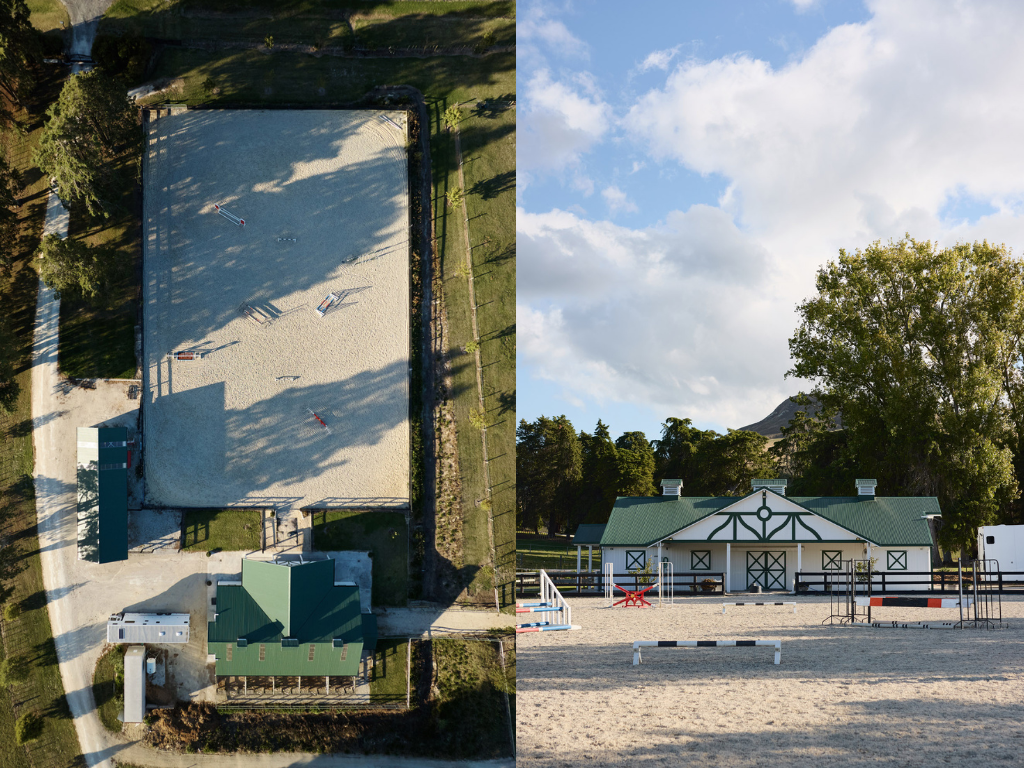
Glen Aros is a useful example of the type of Hawke’s Bay property that should sit within this conversation.
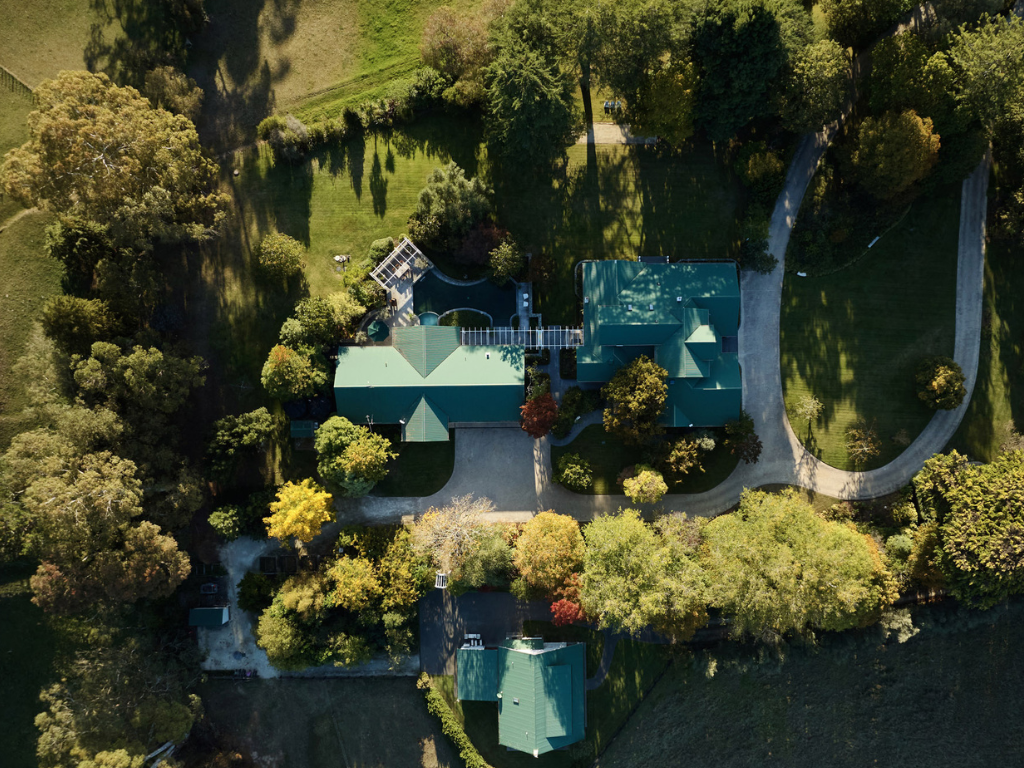
It is not simply a residence. It is a significant lifestyle estate with scale, accommodation, land, equestrian infrastructure, heritage, gardens and visitor appeal. Properties of this nature sit in a different category from a standard high-value home because their value and potential extend well beyond private occupation.
For an approved international purchaser with the ability and intention to invest further, an estate such as Glen Aros could support ongoing local spend, engage trades and service providers, create employment, attract visitors and contribute to the wider regional economy. It also has clear potential, subject to the appropriate consents and ownership vision, to evolve further as a tourism, accommodation or equestrian destination.
That is a very different proposition from simply purchasing a private residence. It is exactly the kind of broader regional contribution that investor migration settings should be capable of recognising.
What a Better Regional Pathway Could Look Like
This isn’t an argument for unrestricted foreign ownership of New Zealand housing. It shouldn’t be. It’s an argument for a more nuanced regional pathway within the Active Investor Plus framework – one that recognises the difference between Auckland, Queenstown and the rest of New Zealand.
Because the challenge facing Hawke’s Bay isn’t excessive international demand. The challenge is attracting enough of the right kind of international attention, investment and long-term participation. Investor migration programmes aren’t only about money moving into approved investment vehicles – their greater value often comes from the people behind the capital: entrepreneurs, business owners, investors and families who bring commercial networks, expertise, philanthropy, employment, further investment and a genuine connection to place.
That objective shouldn’t stop at the Bombay Hills or the edge of Queenstown. Hawke’s Bay should be part of it. Yet the regional evidence is limited: our review of Overseas Investment Office activity in 2026 showed Hawke’s Bay had only one application of any kind, compared with 26 applications in 2025 across three categories, while there were 169 applications across the rest of New Zealand.***
A carefully defined regional pathway could allow qualifying investor migrants to acquire substantial lifestyle, heritage, tourism-capable or uneconomic rural estate properties outside Auckland and Queenstown, where the property sits above a meaningful value threshold and is capable of generating broader local economic benefit. That pathway could still be tightly controlled – excluding ordinary housing, requiring a minimum value threshold, applying only outside Auckland and Queenstown, and requiring evidence of regional benefit, employment, restoration, tourism or productive use.
What it shouldn’t do is treat a $5 million home in Auckland the same way as a significant Hawke’s Bay lifestyle property requiring long-term capital, care and activation. Regional premium property is different, and the policy settings should recognise that.
New Zealand is clearly attracting investor capital. But the regions are missing out. Not because we do not have the property. But because the current policy overlooks what regional property actually looks like.
FAQs
What is the Active Investor Plus visa?
It’s New Zealand’s current investor migrant visa, introduced under revised settings in April 2025. It offers two categories: Growth, requiring a minimum $5 million investment over three years, and Balanced, requiring a minimum $10 million investment over five years. Eligible holders can also buy or build one home in New Zealand valued at $5 million or more.
Why has Hawke’s Bay attracted so few investor visa applications?
Largely because the policy’s property pathway is built around a $5 million home on a conventional, smaller title – a profile far more common in Auckland and Queenstown/Central Otago than in Hawke’s Bay, where comparable value often sits within larger lifestyle properties that fall outside the current 5-hectare threshold.
What kind of property could qualify under a better regional pathway?
Substantial lifestyle, heritage, tourism-capable or otherwise uneconomic lifestyle properties outside Auckland and Queenstown – properties like Glen Aros – where the asset sits above a meaningful value threshold and is capable of generating employment, restoration, tourism or other local economic benefit.
A Considered Conversation, not a Sales Pitch
Properties I take to market typically sit well above the Hawke’s Bay average – because the preparation, presentation and positioning are never an afterthought. If you’d like to talk through where your property sits in this conversation or simply want a considered read on the current market, I’m always happy to help.
Source: * Immigration New Zealand; **REINZ; ***linz.govt.nz
Explore Glen Aros, or read more about my approach on the About Nic page – or get in touch directly to talk it through.